
📷 Image: Wikimedia Commons / Slyronit
Health
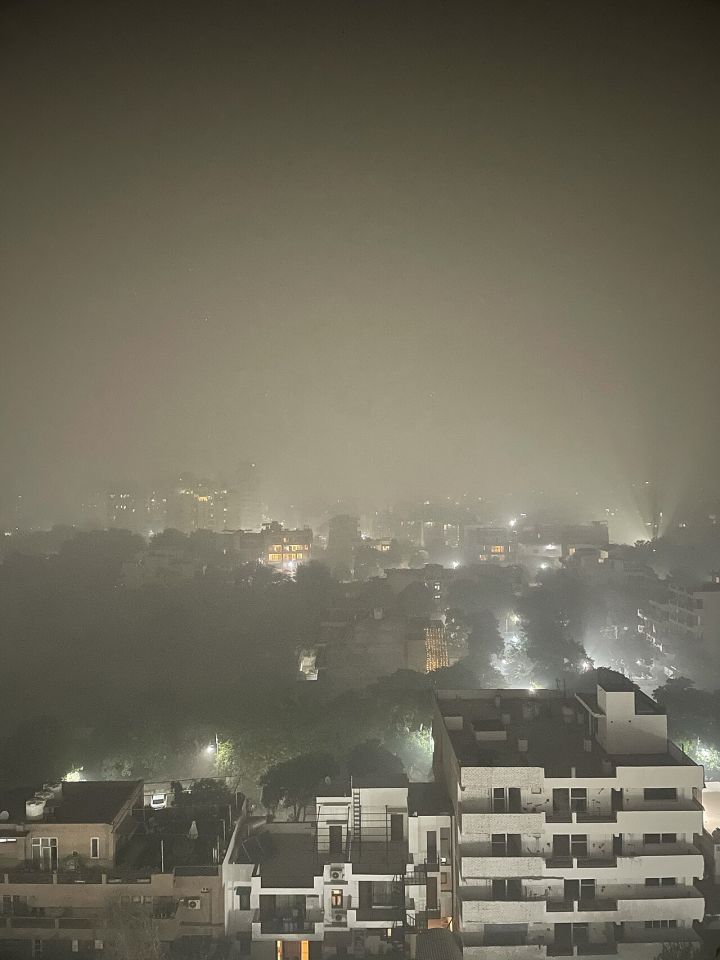
Haryana Air Quality Deteriorates as 9 Cities Record AQI Above 300
✍️ Hindustan Times
🗓 07 Nov 2026, 07:39 PM
👁 4
Air quality in Haryana has significantly worsened, with nine cities reporting Air Quality Index (AQI) levels exceeding 300, indicating severe pollution.
Air quality conditions in Haryana have deteriorated sharply, with monitoring data revealing that pollution has reached hazardous thresholds in multiple urban centers. The state is currently grappling with a significant spike in particulate matter, affecting the health and daily lives of residents in affected areas.
According to the latest reports, nine cities across the state have recorded an Air Quality Index (AQI) above 300. In the AQI scale, this range is classified as 'Very Poor' to 'Severe,' signaling that the air contains high concentrations of pollutants that pose serious health risks, particularly for vulnerable groups such as the elderly and children.
The widespread nature of the pollution, affecting nine distinct cities, suggests that the issue is not isolated to a single industrial or traffic-heavy zone but is a broader regional phenomenon. Authorities and environmental agencies are likely monitoring the situation closely to assess the sources of the emission spike.
Residents in these areas are advised to minimize outdoor activities and use protective masks, especially those with respiratory conditions. The situation highlights the ongoing challenges Haryana faces in managing urban pollution and maintaining safe air quality standards for its population.