
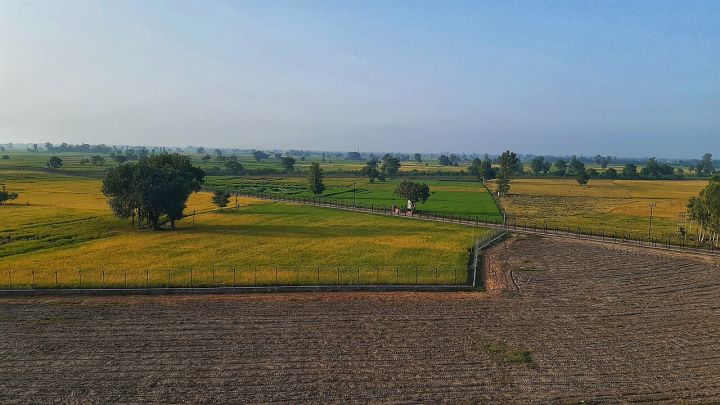
📷 Image: Wikimedia Commons / Shagil Kannur
Agriculture
Punjab's Paddy Arrival and Procurement Exceed 150 Lakh MT
✍️ Daily Excelsior
🗓 07 Nov 2026, 12:15 PM
👁 4
Punjab has recorded a combined arrival and procurement of paddy that has surpassed 150 lakh metric tonnes, according to Agriculture Minister Lal Chand Kataruchak.
Punjab’s agricultural department announced that the state’s paddy arrival and procurement have together crossed the 150 lakh metric tonne mark. The figure reflects the cumulative volume of grain that has been brought into the state and subsequently purchased by government agencies.
Agriculture Minister Lal Chand Kataruchak confirmed the milestone during a briefing, noting that the high procurement levels are part of the state’s efforts to secure food grain supplies for the upcoming monsoon season.
The 150 lakh metric tonne benchmark is a key indicator for the state’s grain management strategy, helping to ensure adequate stockpiles for both domestic consumption and market stability.
Officials said the procurement process remains transparent and follows the established guidelines for fair pricing and quality assurance.
The announcement comes as Punjab continues to focus on strengthening its agricultural infrastructure and supporting farmers through timely procurement and distribution of essential crops.