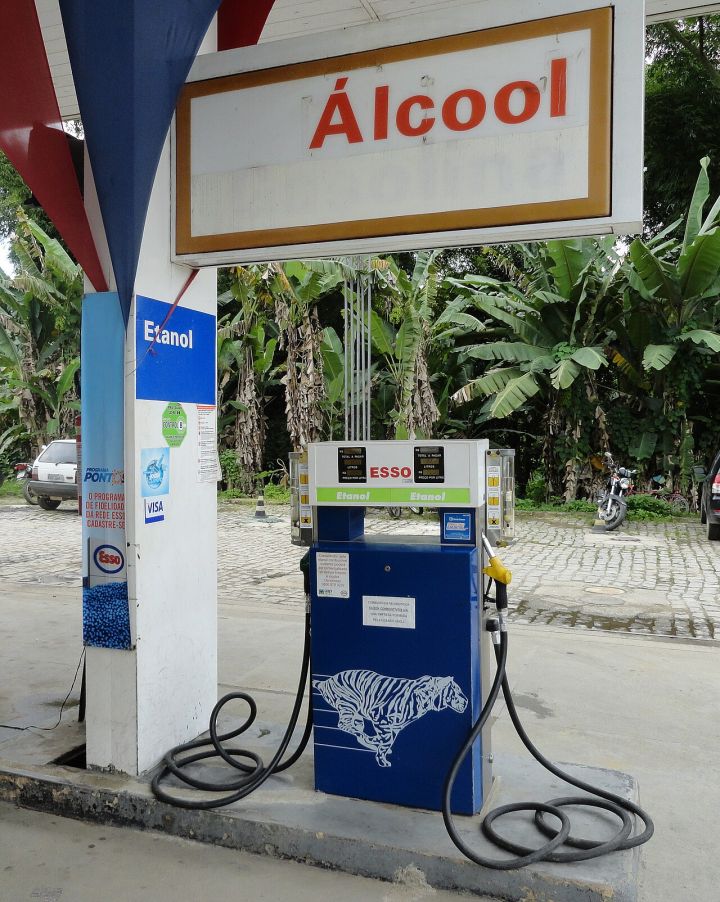
📷 Image: Wikimedia Commons / Adrian Michael
Business
Oil Firms Challenge Karnataka's 31% Ethanol Petrol Claim, Cite Sampling Flaws
✍️ Mangalore Today
🗓 08 Nov 2026, 02:39 AM
👁 2
Major oil marketing companies have disputed the Karnataka government's claim that petrol in the state contains 31% ethanol, questioning the validity of the sampling procedure used to derive the figure.
Leading oil marketing companies in India have formally rejected the Karnataka government's recent assertion that petrol sold in the state contains a 31% ethanol blend. The industry body stated that the claim is factually incorrect and does not align with the standard fuel specifications currently in force.
The dispute centers on the methodology used to verify the ethanol content. Oil companies have raised specific concerns regarding the sampling procedure employed by the authorities, arguing that the process was not conducted in a manner that ensures accurate or representative results. They contend that without a standardized and transparent testing protocol, the reported figures lack credibility.
This disagreement highlights ongoing tensions between state regulatory bodies and national fuel suppliers regarding the implementation and verification of ethanol blending targets. The industry maintains that fuel quality and composition are strictly monitored and that any deviation from official norms is addressed through established quality control mechanisms.
The Karnataka government, which has been proactive in promoting ethanol-blended fuels to reduce carbon emissions, is expected to address these technical objections. The matter may lead to a review of the testing protocols to ensure that future claims are backed by universally accepted scientific standards.