📷 Image: The Hindu (via NewsData)
Education
Madras HC flagged library book errors two years before Coimbatore scam
✍️ The Hindu
🗓 07 Nov 2026, 11:49 AM
👁 6
The Madras High Court had previously directed an inquiry into substandard books in Tamil Nadu libraries, a warning that resonates with recent exposés on erroneous historical content in Coimbatore.
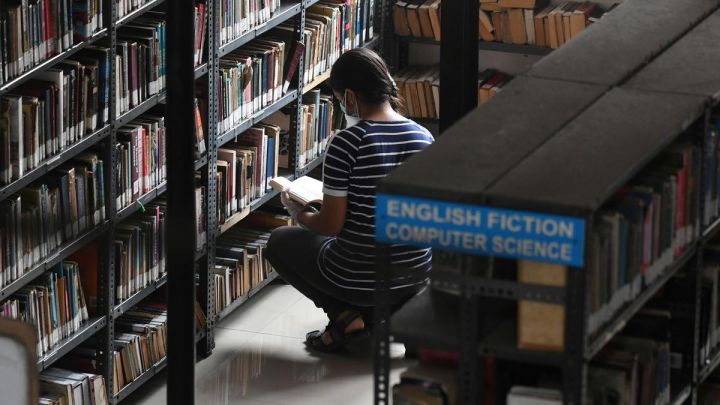
Recent revelations by writer Perumal Murugan regarding substandard books containing grossly erroneous historical information in the Periyar Arivulagam library in Coimbatore have reignited scrutiny over library procurement processes in Tamil Nadu.
Amidst this controversy, records indicate that the Madras High Court had already sounded a warning two years ago. The court had specifically called for an inquiry to streamline the procurement of books, highlighting concerns about the quality and accuracy of materials entering public libraries.
The judicial intervention from two years prior suggests that systemic issues regarding book selection and verification were known to the higher judiciary. The current expose by Murugan underscores the urgency of implementing the safeguards previously recommended by the court to prevent the circulation of historically inaccurate content.
This development places pressure on library authorities to address the gap between judicial directives and on-ground implementation, ensuring that educational resources meet rigorous standards of factual accuracy.