
📷 Image: Wikimedia Commons / Defence Research and Development Organization
Defence
India Successfully Test-Fires 500km Range Pralay Quasi-Ballistic Missile
✍️ India Today
🗓 05 Nov 2026, 11:37 PM
👁 2
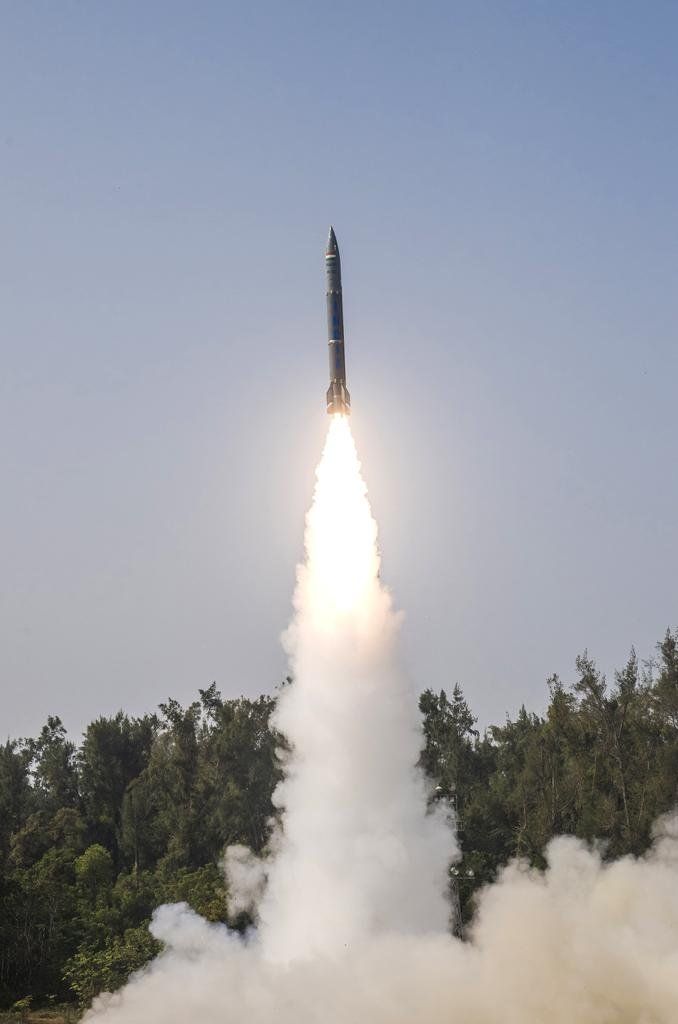
India has successfully conducted a test-fire of the Pralay quasi-ballistic missile, which has a range of 500 km and can carry a 1,000 kg payload.
India has successfully test-fired the Pralay quasi-ballistic missile, marking a significant addition to the nation's strategic defense capabilities. The missile is designed to cover a range of 500 kilometers, enhancing the country's deterrence posture against regional threats.
The Pralay missile system is capable of carrying a payload of up to 1,000 kilograms. This high-payload capacity allows for the delivery of various warheads with precision, ensuring effective strike capabilities within its operational range.
As a quasi-ballistic missile, Pralay is engineered to fly at lower altitudes and higher speeds compared to traditional ballistic missiles. This trajectory makes it more difficult for enemy air defense systems to detect and intercept the weapon, thereby increasing its survivability and effectiveness.
The successful test-fire underscores the ongoing advancements in India's indigenous defense technology. The integration of such advanced systems reflects the nation's commitment to maintaining a robust and modern military infrastructure to safeguard its sovereignty.