
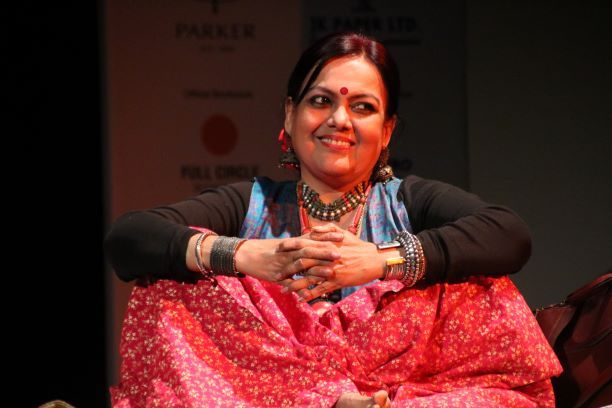
📷 Image: Wikimedia Commons / Ramesh Lalwani
Entertainment
Susmita Mukherjee: Ravana symbolizes inner negative traits, not just evil
✍️ The Times of India
🗓 08 Nov 2026, 06:40 AM
👁 1
Actress Susmita Mukherjee has offered a nuanced interpretation of the character Ravana, stating that he represents the negative qualities within individuals rather than being a one-dimensional villain.
In a recent commentary addressing the ongoing discourse surrounding the glorification of the Ramayana, actress Susmita Mukherjee has shared her perspective on the character of Ravana. She emphasized that the demon king should be understood as a complex figure representing the darker aspects of human nature.
Mukherjee stated that Ravana symbolizes the negative qualities that exist within every individual. By interpreting the character through this psychological lens, she suggests that the epic serves as a mirror to human behavior rather than a simple tale of good versus evil.
This remark comes at a time when public discussions about the Ramayana often focus on the divine attributes of Lord Rama. However, Mukherjee’s observation highlights the importance of understanding the antagonist’s role in the narrative as a representation of internal struggles and moral flaws.
Her comments aim to encourage a deeper, introspective reading of the ancient text, urging readers to look beyond surface-level interpretations and reflect on their own character traits.