
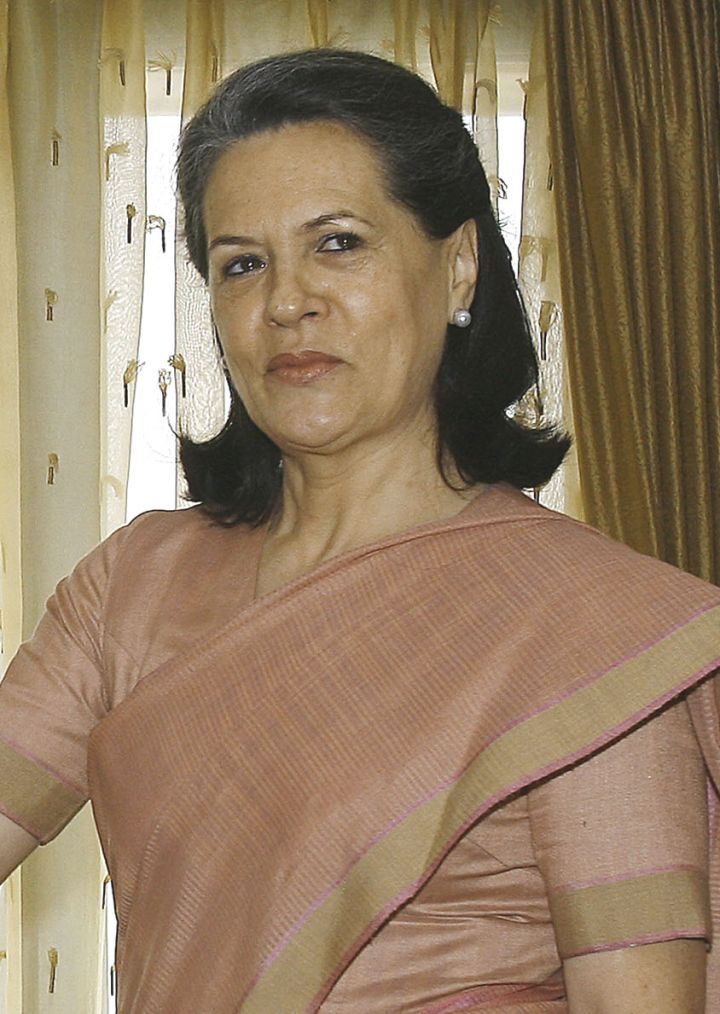
📷 Image: Wikimedia Commons / Ricardo Stuckert/PR
Politics
Sonia Gandhi’s Book ‘Belonging’ Aims to Reach Hearts Amid Scripted Politics
✍️ ThePrint
🗓 24 Nov 2026, 09:45 PM
👁 4
ThePrint notes that Sonia Gandhi’s newly released book ‘Belonging’ seeks to connect directly with readers, offering a personal touch in today’s scripted political climate.
Sonia Gandhi has authored a book titled “Belonging,” which ThePrint describes as an effort to engage readers on a personal level. In a political environment often characterized by rehearsed narratives, the work is positioned as a means to convey genuine emotions and experiences.
The publication is presented as a departure from conventional political messaging, aiming instead to foster a direct emotional connection with the audience. By focusing on themes of identity and community, the book attempts to resonate beyond partisan discourse.
While details about the book’s content remain limited, its launch has sparked discussion about the role of personal storytelling in Indian politics. Observers note that such an approach could influence how political figures communicate with the public in the future.
ThePrint’s coverage highlights the significance of this move, suggesting that “Belonging” may set a precedent for more heartfelt, less scripted political communication.
The book’s reception will likely be monitored as an indicator of public appetite for authenticity in political narratives.