
📷 Image: Wikimedia Commons / Biswarup Ganguly
Business
10 Years On: How Demonetisation Reshaped India's Economy and Daily Life
✍️ ETV Bharat
🗓 07 Nov 2026, 11:39 PM
👁 2
Marking the 10th anniversary of the November 8, 2016 announcement, this report examines the long-term economic and social shifts in India since the withdrawal of old currency notes.
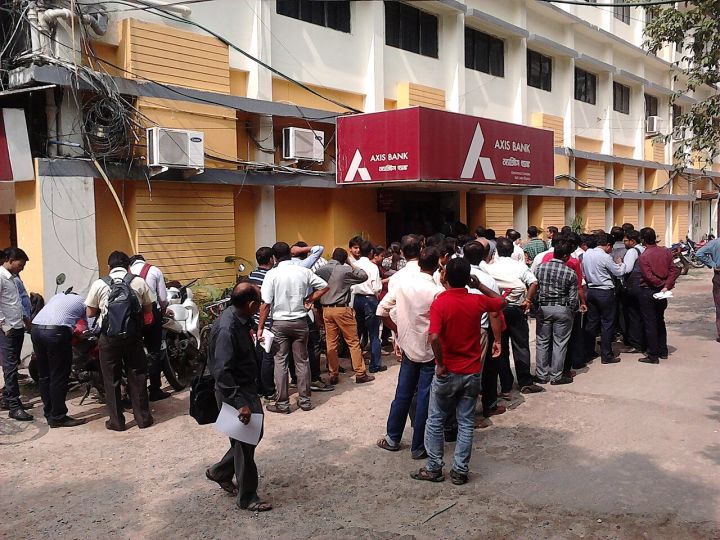
India marks a significant economic milestone this week as it completes ten years since the government announced the demonetisation of ₹500 and ₹1,000 currency notes on November 8, 2016. The move, which declared these high-value notes as no longer legal tender, triggered an immediate and profound shift in the country’s financial landscape, forcing a rapid transition in how transactions were conducted across the nation.
In the decade following the announcement, the Indian economy has witnessed a substantial increase in digital transactions and formal banking participation. The policy aimed at curbing black money and counterfeit currency has coincided with a broader national push towards a cashless society, with digital payment systems becoming a standard part of daily commerce from metropolitan hubs to rural markets.
While the initial phase was marked by logistical challenges and public adaptation, the long-term impact has reshaped consumer behavior and business operations. Businesses have increasingly adopted digital invoicing and electronic payment gateways, reducing reliance on physical cash for routine transactions and enhancing financial transparency.
As the anniversary approaches, the focus remains on the structural changes that have solidified over the last ten years. The period has seen a maturation of the digital payment infrastructure and a deeper integration of bank accounts into the lives of millions of Indians, marking a distinct era in the country's modern economic history.